Leading Residential Construction Services: Designing Your Dream Home With Precision
Leading home builder services assume an fundamental role in making visions into tangible realities. They extend seasoned support throughout the construction journey, from early design discussions to the final finishing touches. With a focus on quality materials and effective communication, these practitioners guarantee that each project meets specific expectations and budget constraints. However, the choice of builder can greatly impact the outcome. Learning how to navigate this process is important for homeowners seeking a seamless experience.
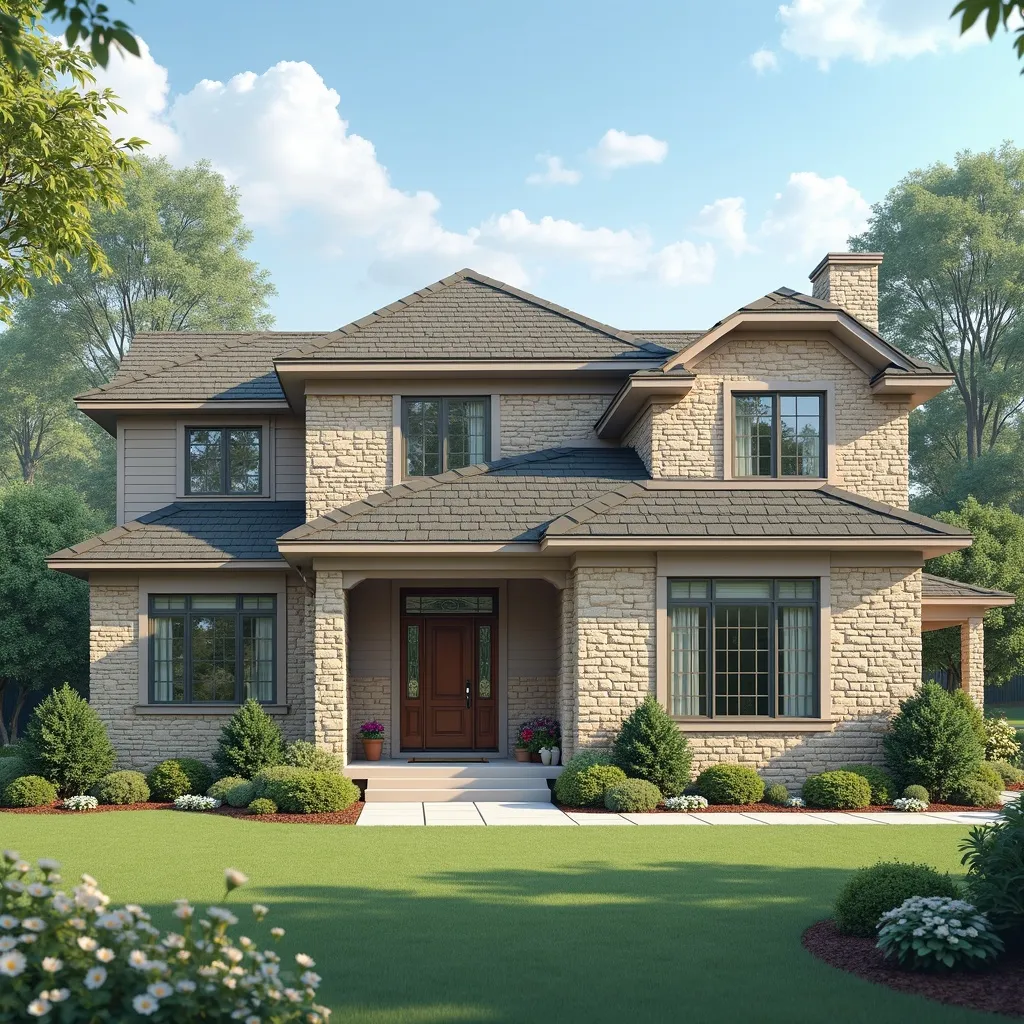
Home Builders' Participation in Your Development Timeline
Home builders execute a vital role in converting visions into tangible results during the building phase. They function as the bridge between clients' desires and concrete structures, making certain that each aspect corresponds with the homeowner's needs. These specialists maintain broad understanding of construction practices, local requirements, and material options, permitting them to manage the challenges of building initiatives efficiently.
Navigating the Design and Organization Procedure
Guiding the architectural and development process is essential for any thriving home building project. An initial consultation establishes the groundwork for understanding client needs and expectations, while effective blueprint development ensures that those ideas are translated into actionable plans. Together, these elements form the backbone of a well-organized construction journey.
Understanding the critical nature of an first session
Successful venture outcomes usually depend on the clarity established in the initial consultation between the builder and the client. This meeting serves as a critical moment where expectations, ideas, and requirements are clearly outlined. Both parties engage in open dialogue, allowing the builder to grasp the client's desires and daily requirements. Additionally, this consultation provides a chance to discuss budgetary constraints and timelines, ensuring that all components are aligned from the outset. By fostering a cooperative setting, the initial consultation supports identifying potential challenges and answers early in the process. Ultimately, a comprehensive and focused discussion lays the foundation for a successful partnership, guiding the project through the following stages of design and execution with shared commitment and dedication.
Blueprint Development Fundamentals
Complete blueprint development is vital for manifesting a client's vision into a tangible plan. This approach demands several key steps, starting with in-depth consultations to compile detailed requirements and preferences. Once the basic ideas are determined, proficient architects and designers create initial sketches, incorporating both practicality and aesthetics. Revisions are made based on client responses, guaranteeing conformity with their desires. Moreover, practical aspects such as structural integrity, zoning regulations, and environmental considerations must be meticulously examined. Ultimately, the final blueprint serves as a detailed guide for construction, specifying dimensions, materials, and layouts. By prioritizing precision and clarity during this phase, home builders can guarantee a more streamlined construction process and a finished product that authentically reflects the client's aspirations.
Important Solutions That Home Builders Supply
Home builders offer crucial offerings that improve the construction process. Their expertise in design and planning ensures projects meet particular requirements, while the use of high-quality building materials assures longevity. Additionally, personalization and customization choices allow homeowners to create spaces that showcase their individual tastes.
Design and Planning Expertise
Design and organizational expertise forms the mainstay practical tips of any construction project, ensuring that each home is fitted to meet the exclusive needs of its future occupants. Home builders use specialized teams of architects and designers who collaborate closely with clients to translate their visions into practical blueprints. This process includes evaluating site conditions, understanding local zoning laws, and integrating sustainable practices. Furthermore, builders utilize advanced design software to build detailed models, allowing clients to visualize their homes before construction gets underway. Effective planning also involves project timelines and budgeting, which are essential for a smooth construction process. By prioritizing design and planning, home builders facilitate a seamless transition from concept to reality, ultimately delivering personalized living spaces that represent individual lifestyles.
Premium Construction Materials
Developing a home that withstands the passage of time requires a dedication to quality construction materials. Home builders concentrate on sourcing reliable and durable materials to ensure structural integrity and longevity. This commitment covers various components, including superior timber, weatherproof roof coverings, and efficient glass installations. Builders often collaborate with reputable suppliers to identify materials that comply with industry standards and enhance the overall visual charm of the residence. Additionally, the selection of materials influences maintenance costs and energy efficiency in the long run. By focusing on premium building materials, builders not only create a solid base but also support to the homeowner's well-being and satisfaction, assuring that the financial outlay remains valuable for years to come.
Customization and Customization Choices
Establishing a dwelling as a customized living space often copyrights on the personalization choices supplied by builders. These options enable homeowners to customize various aspects of their living space, from layout and design to finishes and fixtures. Builders typically supply a range of materials and styles, allowing clients to select elements that reflect their unique tastes and lifestyles. This process may include choosing cabinetry, flooring, and paint colors, as well as making structural modifications to optimize functionality. Additionally, many builders feature advanced technology integration, ensuring homes are equipped with modern amenities. By focusing on personalization and customization, builders not only enhance aesthetic appeal but also create environments that foster comfort and individuality, ultimately leading to a more satisfying homeownership experience.
The Importance of Premium Construction Materials in Home Development
Quality supplies serve as the base of any thriving home building project. They greatly influence longevity, energy efficiency, and overall aesthetic appeal. High-quality materials ensure that a home can endure environmental stresses, minimizing the chance of repairs and maintenance over time. For instance, using superior insulation can boost energy efficiency, bringing about lower utility bills and increased comfort.
Moreover, the selection of materials influences the resale value of a property. Properties built with superior materials often fetch higher prices in the market, showing their longevity and appeal. Additionally, top-quality materials play a role in the safety and health of occupants by reducing risks associated with low-grade products, such as mold or structural failures.
At the conclusion, spending on top-quality materials is not just an expense; it shows a commitment to making an permanent, beautiful, and functional home that provides for the desires of its occupiers for years to come.
Selecting the Right Home Contractor for Your Preferences?
What is the best way to choose a home contractor that matches your specific needs? The process starts with detailed research. Prospective homeowners should request recommendations from close contacts, plus online feedback, to compile a shortlist of contractors. Assessing the builder's portfolio is essential; reviewing prior projects can reveal their techniques and craftsmanship.
Next, homeowners should review the construction company's qualifications, including licenses, insurance, and industry affiliations, confirming they meet community standards. Initial consultations give an possibility to determine communication skills and promptness, necessary characteristics for a successful partnership. Additionally, discussing project deadlines and financial allocations is important to verify alignment with desired results.
Ultimately, meeting past customers can offer insights into the contractor's dependability and quality of work. By following these steps, individuals can identify a residential contractor able to take their dream to reality while adhering to their particular needs.
Tips for a Seamless Home Building Process
While starting a home-building venture can be thrilling, thorough planning is necessary to guarantee a smooth experience. First, establishing a well-defined budget is important; it helps in determining informed decisions and prevents overspending. Next, creating a thorough timeline ensures that all parties are aligned and knowledgeable of important milestones. Dialogue serves a vital role; frequent communications between builders, construction teams, and property owners can mitigate confusion.
Furthermore, choosing top-notch materials upfront lowers the risk of expensive changes later. It is also wise to remain flexible; unexpected challenges may occur, and adaptability can help stress. Hiring a trusted home inspector during critical stages of construction can spot problems early, preventing future complications. Lastly, celebrating small successes throughout the building process can sustain enthusiasm and motivation, making the experience more pleasant. By following these tips, homeowners can navigate their building project with greater confidence and comfort.
Frequently Requested Responses
How Much Time Does the Home Building Process Generally Take?
The residential building process typically takes six to twelve months, contingent upon different variables such as design scope, permitting, weather conditions, and operational efficiency. Problems can take place, affecting the final schedule greatly.
What Financing Solutions Are Accessible for New Home Development?
Multiple financing options for new home construction consist of conventional loans, FHA loans, VA loans, and construction-to-permanent loans. Borrowers may also look into personal loans or lines of credit, in accordance with their financial situation and project needs.
Is it possible to modify the Home Design Once Construction Starts?
Yes, property owners can customize home designs after building starts, but this may result in additional costs and time delays. Dialogue with the builder is crucial to understand the feasibility and consequences of any changes.
What Protections Do Home Builders Typically Provide?
Home contractors typically provide guarantees covering structural defects, workmanship, and building materials. These guarantees often range from one to ten years, guaranteeing protection against issues arising shortly after construction and providing peace of mind for property owners.
How Do Construction Companies Handle Unforeseen Construction Delays?
Builders usually communicate transparently with clients regarding unexpected delays, offering updates and revised timelines. They analyze the causes, put solutions in place, and may offer compensation or changes to keep client satisfaction throughout the construction process.